Exactly How Aluminum Foundry Adds to Innovative Solutions in Steel Manufacture
Aluminum foundries greatly influence the landscape of metal manufacture. They take on advanced casting methods that enhance accuracy and layout flexibility. This capacity permits the manufacturing of lightweight and long lasting parts that deal with varied industry requirements. Additionally, the combination of automation and sustainable practices sets a criteria for efficiency. As these factories progress, they question regarding the future of manufacturing and the function of innovation fit the sector.
The Duty of Aluminum Foundries in Modern Manufacturing
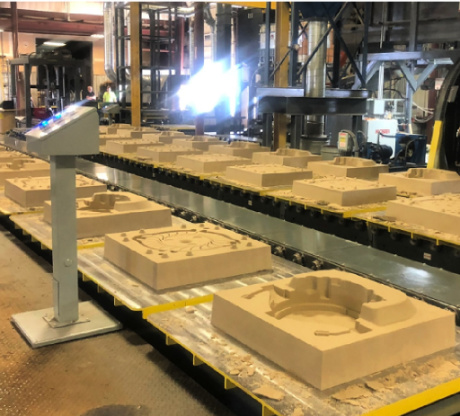
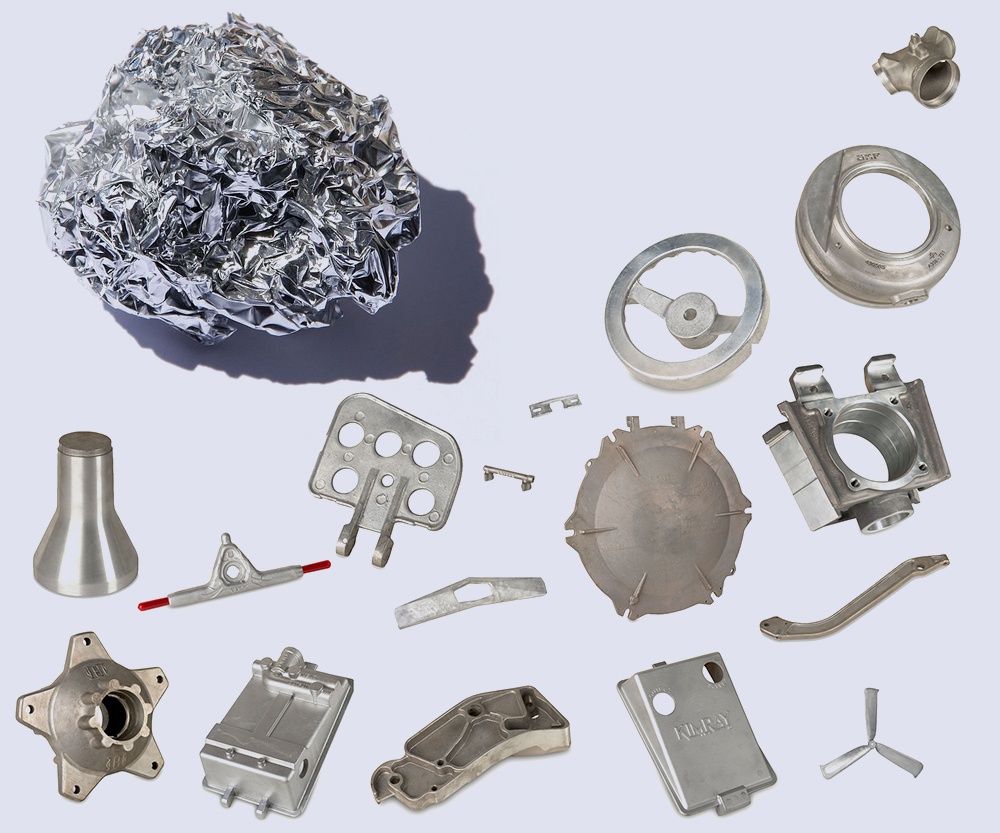
Aluminum foundries play an essential role in contemporary manufacturing, adding considerably to different sectors, including automobile, aerospace, and consumer products. These centers focus on the melting and casting of light weight aluminum, transforming raw materials right into top quality components that fulfill rigid industry requirements. The light-weight yet solid properties of Aluminum make it an excellent option for suppliers aiming to boost performance while minimizing weight, particularly in the vehicle sector, where fuel performance is vital.
Light weight aluminum factories use cutting-edge processes to generate complicated forms and layouts that provide to certain market demands. By leveraging innovative technologies such as computer-aided style and simulation, these factories can maximize their production processes and boost product use. This not only enhances the top quality of the final items but also decreases waste, adding to even more lasting manufacturing practices. Ultimately, the payments of Aluminum shops are vital for driving innovation and performance throughout numerous markets.
Advanced Casting Techniques Changing Metal Construction
Advanced spreading techniques are changing the field of metal construction, especially with accuracy casting approaches that boost accuracy and minimize waste. Cutting-edge alloy developments are also playing a vital function, enabling personalized residential or commercial properties and improved performance in numerous applications. Together, these innovations are setting brand-new requirements in effectiveness and top quality within Aluminum factories.
Precision Casting Approaches
As the demand for premium parts in different sectors remains to rise, precision casting methods have become a transformative pressure in metal construction. These techniques, consisting of investment casting, lost foam spreading, and die casting, permit elaborate geometries and tight tolerances that typical methods frequently have a hard time to attain. By utilizing advanced materials and innovations, precision spreading decreases waste and boosts effectiveness, enabling makers to create complicated parts with lowered preparations. In addition, these approaches provide remarkable surface coatings and mechanical homes, making them suitable for sectors such as aerospace, auto, and medical devices. As makers progressively adopt precision casting, the capacity to fulfill particular layout demands while preserving cost-effectiveness comes to be an essential benefit in today's competitive market.
Innovative Alloy Advancements
Innovative alloy growths are improving the landscape of steel manufacture, specifically within the domain name of accuracy casting. Advances in material science have actually brought about the development of specialized Aluminum alloys that enhance strength, longevity, and resistance to corrosion. These novel alloys allow shops to create intricate elements with boosted mechanical buildings, catering to varied sectors such as aerospace, automobile, and electronics. The unification of innovative casting strategies, consisting of die spreading and sand casting, additional optimizes the use of these products, enabling for complicated geometries and reduced waste. As a result, makers are much better outfitted to meet rigorous performance requirements while minimizing environmental influence. Ultimately, these innovative alloys are leading the way for a new period of effectiveness and sustainability in steel fabrication.
Durable and light-weight: The Advantages of Aluminum Components
Aluminum components use considerable benefits in numerous applications as a result of their light-weight nature and resilience. This combination adds to improved gas efficiency, particularly in the aerospace and auto sectors. Furthermore, light weight aluminum's fundamental corrosion resistance even more expands the life-span of items, making it a recommended option in several steel fabrication procedures.
Enhanced Fuel Effectiveness
While typical products have actually long been the standard in different sectors, the change in the direction of Aluminum parts is changing the landscape of metal construction, especially in connection with enhanced gas efficiency. Light weight aluminum's lightweight nature notably reduces the overall weight of lorries and equipment, enabling boosted efficiency and minimized power usage. This reduction in weight translates directly to reduced gas intake, making Aluminum an attractive choice for manufacturers aiming to satisfy rigid environmental laws. In addition, aluminum's durability assurances that parts keep their stability in time, adding to long-lasting effectiveness. As markets progressively prioritize sustainability, the adoption of Aluminum components ends up being a strategic option, straightening operational objectives with ecological obligation while enhancing fuel effectiveness in various applications.
Corrosion Resistance Perks
One of the standout features of Aluminum parts is their phenomenal deterioration resistance, which greatly boosts the longevity and dependability of different applications. This building is especially advantageous in rough settings, such as commercial and marine setups, where direct exposure to wetness and chemicals can lead to substantial deterioration in various other metals. Unlike steel, Aluminum naturally creates a protective oxide layer that acts as a barrier versus environmental aspects, lessening the risk of corrosion and corrosion. Because of this, Aluminum parts need much less maintenance and have a longer solution life, making them an affordable choice for manufacturers. This inherent durability not only adds to the overall efficiency of items however additionally sustains sustainability efforts by decreasing the need for regular substitutes.
Innovations in Style and Design With Aluminum Foundries
As innovations in Aluminum Foundry technology remain to improve the landscape of steel manufacture, ingenious layout and design solutions are emerging to satisfy the demands of diverse sectors. The versatility of Aluminum enables complex designs that were formerly unattainable with traditional materials. Factories are leveraging computer-aided style (CAD) software and simulation tools to maximize the design check my site process, enabling engineers to produce lightweight yet robust components tailored to specific applications.
Furthermore, the capacity to include innovative alloying techniques permits the modification of Aluminum residential properties, boosting toughness and longevity. This adaptability cultivates creativity in product development, allowing firms to trying out brand-new forms and frameworks that enhance performance while decreasing weight. Collaborative efforts between developers and shops assist in quick prototyping, leading to shorter task timelines and raised overall efficiency. These developments not just improve product efficiency but also drive sustainability by decreasing material waste throughout the construction process.
Enhancing Effectiveness With State-Of-The-Art Innovation
Advancements in modern innovation are transforming the efficiency of Aluminum foundries, streamlining procedures from design to manufacturing. Automation plays a crucial role, with robot systems boosting the rate and accuracy of jobs such as molding, pouring, and ending up. These automated options decrease human mistake and decrease labor prices, while also raising outcome consistency.
In addition, the integration of sophisticated software for computer-aided style (CAD) and simulation permits quick prototyping and testing, accelerating the change from concept to production. Foundries are utilizing real-time data analytics to check operations, making sure peak efficiency and lessening downtime.
3D printing innovation is being embraced for developing complex molds and elements, minimizing product waste and lead times. The combination of these sophisticated technologies not only increases productivity yet also improves the high quality of Aluminum items, discover this placing shops at the center of innovation in metal fabrication.
Lasting Practices in Aluminum Foundries
An expanding number of Aluminum shops are taking on lasting techniques to reduce their ecological effect and advertise source performance. Wisconsin Aluminum Foundry. These shops are significantly applying recycling programs, where scrap Aluminum is accumulated and reprocessed, greatly reducing waste. Additionally, energy-efficient technologies, such as electric furnaces and progressed insulation products, are being made use of to reduced energy consumption during the melting procedure
Water conservation techniques are additionally obtaining traction, with many shops reusing water in cooling systems to decrease general usage. The fostering of environment-friendly coverings and ingredients minimizes unsafe discharges without jeopardizing item top quality.
Future Fads in Aluminum Casting and Metalworking
Progressively, the future of Aluminum spreading and metalworking is being formed by technological technologies and developing market standards. Innovations in automation and robotics are streamlining processes, improving accuracy, and lowering labor expenses. The adoption of additive production techniques, such as 3D printing, is changing conventional spreading techniques, enabling intricate geometries and minimized product waste.
Additionally, the integration of expert system and data analytics is enabling real-time surveillance and predictive upkeep, which optimizes production effectiveness. Sustainability continues to be a core focus, with companies spending in environmentally friendly practices, consisting of the recycling of Aluminum scrap and using renewable resource resources in production.
As the need for lightweight, durable products in various sectors increases, Aluminum foundries have to adjust by creating ingenious alloys and boosting casting methods. These patterns jointly point to a future where Aluminum casting and metalworking are a lot more efficient, sustainable, and responsive to market demands.
Often Asked Questions
What Sorts Of Aluminum Alloys Are Commonly Made Use Of in Factories?
Typically used Aluminum alloys in foundries consist of 2xxx series (copper), 3xxx collection (manganese), 4xxx series (silicon), 5xxx collection (magnesium), and 6xxx series (magnesium and silicon), each offering one-of-a-kind properties appropriate for numerous applications.
Just How Does Aluminum Casting Compare to Other Metal Construction Approaches?
Aluminum casting offers advantages such as lower manufacturing expenses and intricate shapes contrasted to typical fabrication approaches. It visit this web-site gives excellent dimensional precision and surface finish, making it a recommended selection for lots of industries over alternatives like machining or welding.
What Safety And Security Measures Are Carried Out in Aluminum Foundries?
Aluminum factories carry out numerous safety and security procedures, consisting of personal safety devices, air flow systems, normal safety and security training, hazard analyses, and emergency situation protocols to shield employees from dangers connected with molten metal, heat, and prospective chemical exposure. Wisconsin Aluminum Foundry.
Exactly How Can Companies Find Trustworthy Aluminum Foundry Allies?
Business can recognize trustworthy Aluminum Foundry companions by reviewing market reputation, evaluating client testimonials, assessing high quality qualifications, considering manufacturing capacities, and performing website sees to assure positioning with their certain demands and requirements.
What Is the Regular Preparation for Aluminum Casting Projects?
The normal preparation for Aluminum casting jobs ranges from two to 8 weeks, depending upon variables such as design intricacy, manufacturing volume, and the shop's capacity to satisfy specific job demands and timelines.
Aluminum foundries play an essential role in modern-day manufacturing, adding considerably to various industries, consisting of automotive, aerospace, and customer products. As developments in Aluminum Foundry technology proceed to reshape the landscape of steel fabrication, innovative design and engineering remedies are arising to fulfill the needs of diverse industries. Advancements in state-of-the-art technology are transforming the effectiveness of Aluminum foundries, simplifying procedures from layout to production (Wisconsin Aluminum Foundry). An expanding number of Aluminum shops are embracing sustainable methods to reduce their environmental effect and promote source efficiency. As the need for lightweight, sturdy materials in different sectors rises, Aluminum foundries have to adjust by creating ingenious alloys and boosting casting techniques